
Explore the nature vs. nurture debate through the lens of environmental responsibility. Discover how genetics and life experiences shape our behavior and how rethinking this dynamic can lead to a more sustainable relationship with the planet.
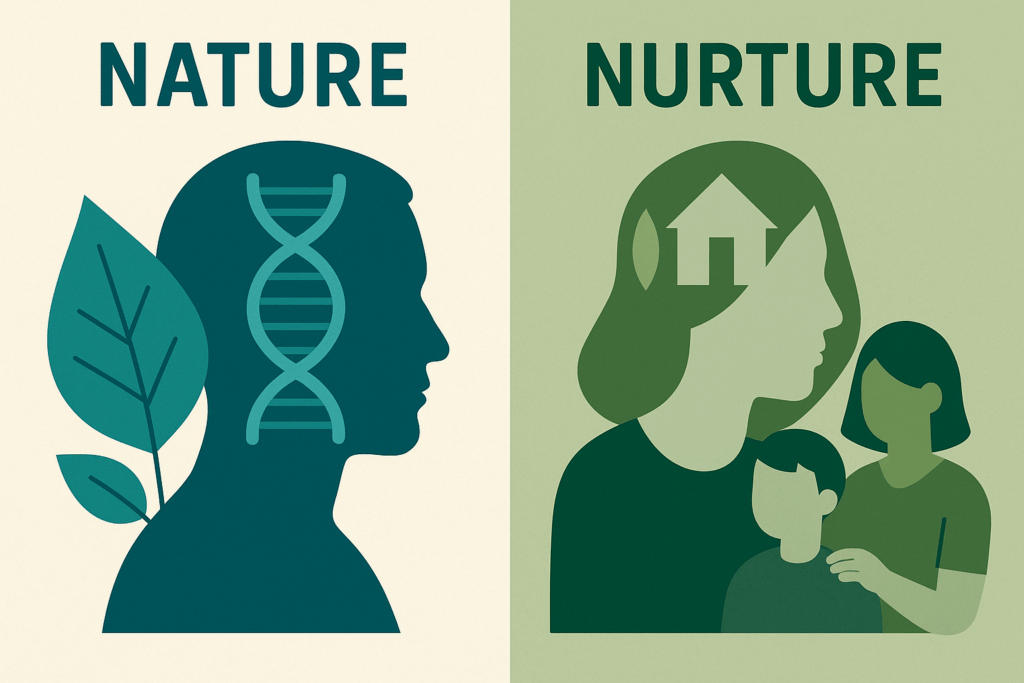
For centuries, the ‘nature vs. nurture’ debate has attempted to pin down the origins of human behavior. Are we shaped more by our genes, or by the environments we grow up in? Is who we are already written into our DNA, or does life sculpt us into who we become?
At first glance, this question seems reserved for psychologists, biologists, or philosophers. But peel back a layer, and it reveals something far more expansive: our relationship with the world around us. If we’re products of both nature and nurture, then how do we, in turn, impact nature? And what kind of nurturing environments are we creating – not just for ourselves, but for the planet?
Today, we’re reframing the conversation. It’s not just about what made us who we are, but how that understanding can help us take responsibility for the environments we shape and inhabit. In rethinking this binary, we unlock a more dynamic, ethical, and responsive way of engaging with our ecosystems.
What Do We Mean by Nature and Nurture?
To understand the full scope of the nature vs. nurture debate, we have to begin with clarity.
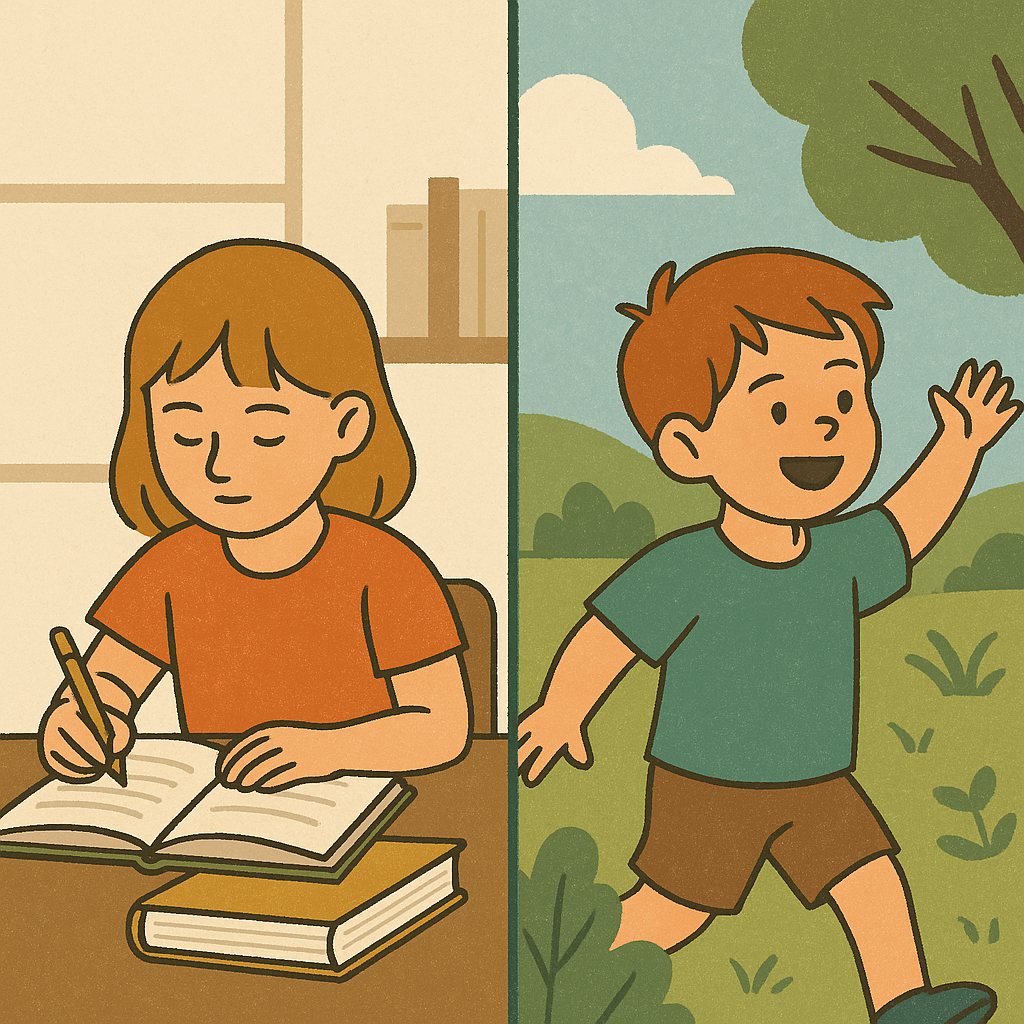
Nature refers to our biological inheritance – the genetic blueprint passed down from parents to children. It encompasses everything from eye color and height to personality traits, talents, and even vulnerabilities to mental health conditions. Nature is the raw material: the coding we carry from birth.
Nurture, on the other hand, is the world we grow up in. It includes our families, cultures, communities, education systems, life experiences – even the air we breathe and the media we consume. Nurture is the context that interacts with our biology, often in unpredictable ways.
But here’s where it gets interesting: these two forces are not separate tracks – they’re intertwined. Modern science increasingly confirms that genes can influence how we respond to our environments, and in turn, environments can switch certain genes on or off. This isn’t a tug-of-war; it’s a dance.
Understanding this dance lays the groundwork for a more nuanced – and actionable – view of how we affect, and are affected by, the natural world.
A Modern Understanding of the Interplay
The classic ‘nature vs. nurture’ debate frames development as a tug-of-war between biology and experience. But this binary model has collapsed under the weight of modern science. The truth? It’s not a battle- it’s a partnership.
Epigenetics offers some of the most compelling evidence of this collaboration. Environmental factors like stress, trauma, nutrition, or enrichment don’t just influence how we feel or behave – they can actually alter gene expression. Experiences have the power to ‘switch on’ or ‘switch off’ specific genes, changing biological outcomes in real time.
We also now know that genetic traits influence sensitivity to the environment. For example, a person might carry genes linked to impulsivity – but whether that trait manifests depends largely on the nurturing (or neglectful) environment they’re raised in.
This ongoing gene-environment feedback loop doesn’t just shape individuals – it helps redefine how we view responsibility, potential, and our capacity to adapt.
When Nature and Nurture Interact
These concepts aren’t just academic – they play out in real, tangible ways every day.
Take childhood anxiety. Some children are born with a biological predisposition to anxiety. But whether that trait leads to chronic struggles or emotional resilience often hinges on environment. Supportive parenting, safe spaces, and mental health resources can buffer genetic risk – while chaos or neglect can magnify it.
The same is true for nutrition and language development. A child may have the genetic potential for high intelligence or linguistic fluency, but those traits flourish only when paired with adequate food, cognitive stimulation, and rich verbal interaction during key developmental windows.
Behavior, Identity, and Environmental Responsibility
So how does all this science apply to our relationship with the planet?
Our environmental behaviors – like recycling, conserving energy, or embracing sustainability – are shaped by both nature and nurture. Certain personality traits, such as conscientiousness or openness, may be genetically influenced and correlated with greener habits. But those tendencies are also molded by family norms, education, culture, and access to resources.
Do some people have a more ‘pro-environmental disposition’? Possibly. But more importantly, we can design environments that nurture those dispositions in everyone – through early education, access to green spaces, and community-driven sustainability programs.
Ultimately, the more we understand the interplay between nature and nurture, the more we realize that eco-consciousness isn’t just an individual choice – it’s a product of the systems and values that shape us.
The Path Forward: Designing Environments That Shape Us for Good
Understanding that we’re all shaped by a mix of genetic predispositions and environmental contexts opens the door to deeper empathy – for ourselves and others. It challenges the impulse to judge people’s behaviors as simply ‘good’ or ‘bad’, ‘conscious’ or ‘careless’.
This perspective also reframes environmentalism as a shared, collective responsibility. It becomes clear that not everyone starts from the same place or has the same tools. That’s why equitable environmental design – such as providing access to clean air, green space, and climate education becomes crucial. It’s not just about asking people to do better; it’s about creating the conditions where better choices are possible.
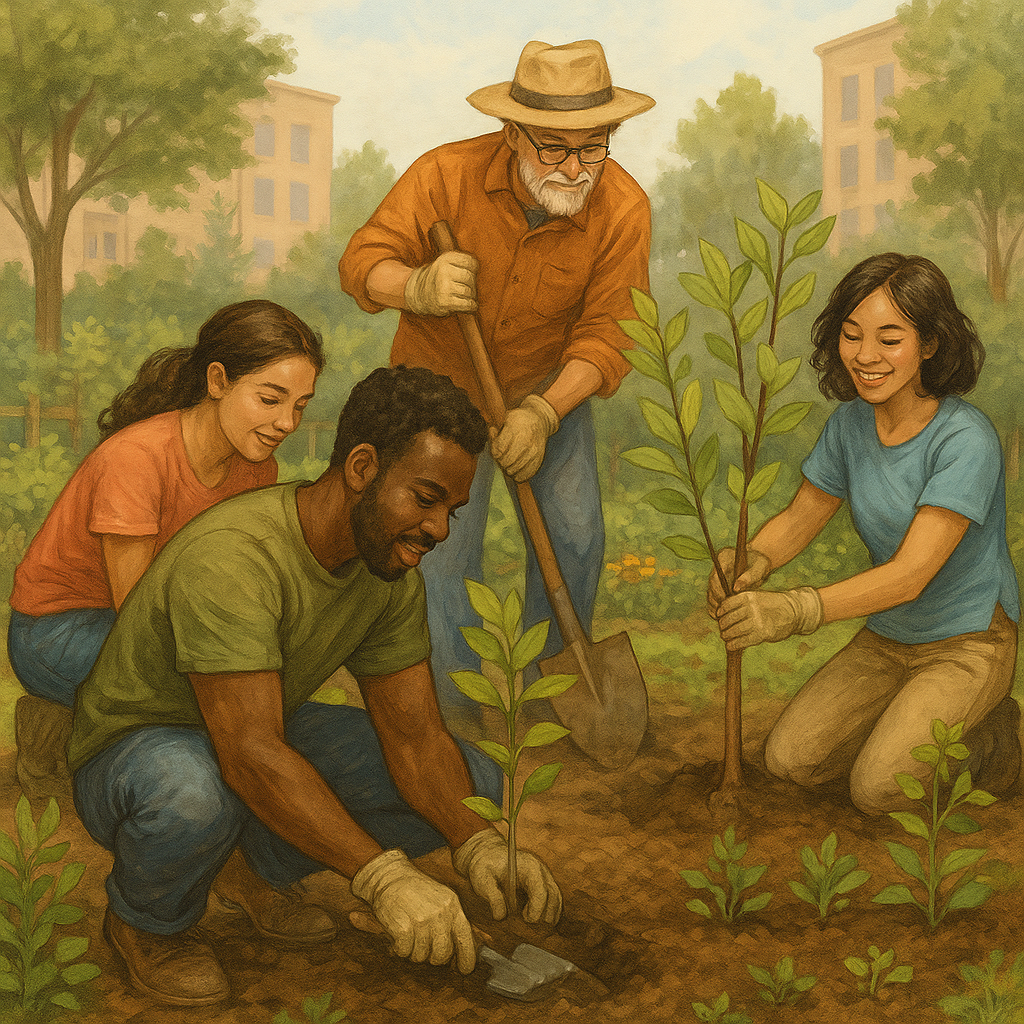
Ultimately, recognizing the complexity of human development allows for both systemic and personal change. We can push for policies that nurture better outcomes while showing compassion for the varied paths people take to get there.
It’s Time to Nurture a New Kind of Nature
At its core, the nature vs. nurture debate reveals a profound truth: we are shaped by both our biology and our environments – constantly, intricately, and inseparably. Neither operates in isolation. Our genes may set the stage, but it is the world around us that directs the play.
This understanding doesn’t strip us of responsibility. It means we each carry both individual agency and collective potential. We’re not limited by our predispositions, nor are we solely products of circumstance. We’re active participants in a feedback loop: who we are influences what we create, and what we create shapes who we become.
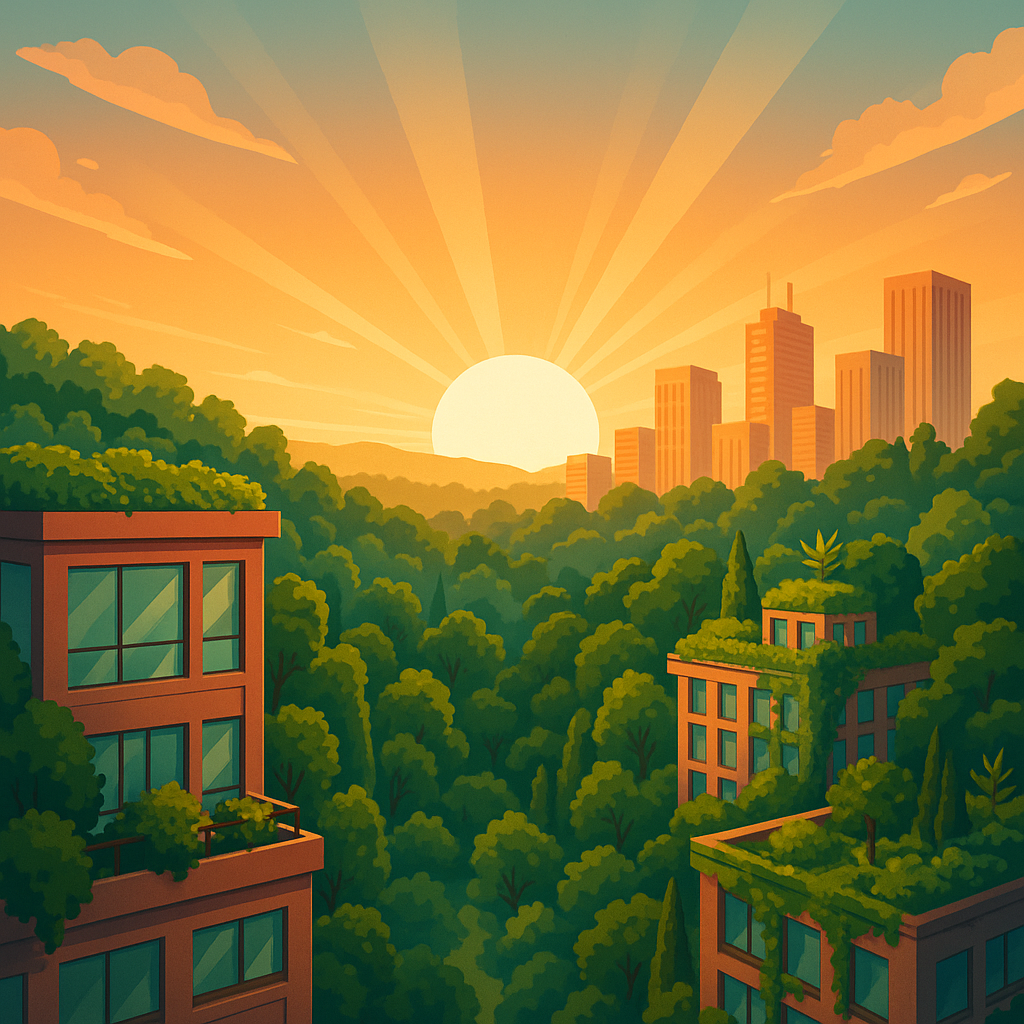
So the challenge and the opportunity is clear: let’s nurture the kind of nature that makes room for flourishing. That means designing environments that support mental health, model sustainable behaviours, prioritise equity, and foster connection – with one another and with the Earth itself.
Because when we reshape the spaces we live in, we don’t just change the world – we change ourselves.
Note: The images in this article were created using AI tools to help illustrate key ideas. We use these visuals to make the content more engaging and accessible while keeping the message clear and accurate.
Leave a Reply