
Discover how Artificial Intelligence (AI) is transforming environmental science — from tackling climate change to combating pollution and biodiversity loss — through the power of smart innovation.
A New Era of Environmental Intelligence
The planet is at a critical crossroads. From accelerating climate change to toxic pollution and mass biodiversity loss, environmental crises are intensifying faster than human systems can adapt. The consequences are visible everywhere — unprecedented wildfires, record-breaking heatwaves, and ecosystems pushed to the brink. According to research from the UK Research and Innovation (UKRI), the environmental data we now collect from satellites, sensors, and field studies far exceeds what traditional scientific methods can efficiently process or interpret on their own.
Historically, environmental monitoring and management relied heavily on manual data gathering, long modelling cycles, and limited analytical tools. While these methods laid the foundation for modern environmental science, they struggle to match the scale, speed, and complexity of current global challenges. Environmental systems are dynamic and interdependent — yet traditional analyses often operate in silos, delaying responses and policy decisions that demand real-time insight.
AI’s ability to analyse vast and complex datasets, detect hidden patterns, and forecast environmental change with remarkable precision has redefined what’s possible in climate science, conservation, and pollution control. By harnessing AI’s predictive and analytical power, scientists and policymakers can now make faster, smarter, and more data-driven decisions to protect the planet.
The Expanding Role of AI in Environmental Science
Artificial Intelligence is rapidly becoming an indispensable tool in environmental science, offering new ways to interpret and respond to the complex data that defines our planet’s changing systems. By integrating information from satellites, sensors, drones, and weather stations, AI helps scientists and policymakers make sense of an ever-expanding network of environmental inputs. These technologies generate enormous volumes of data — from atmospheric readings to soil moisture levels — and AI systems can process, correlate, and interpret these datasets in real time, far beyond human capacity.
AI in Environmental Action: From Climate to Conservation
At its core, AI serves as a bridge between raw data and actionable insight. From forecasting climate change and optimising renewable energy systems to monitoring pollution, managing water resources, and protecting biodiversity, AI provides the analytical backbone for smarter, faster, and more precise environmental action.
Climate Change Mitigation and Adaptation
AI plays a central role in addressing the escalating impacts of climate change. Advanced machine learning models refine climate forecasting by processing petabytes of data from satellites and meteorological networks. These systems detect subtle correlations between temperature, precipitation, and atmospheric chemistry, enabling more accurate predictions of extreme weather and long-term climate trends. Improved modelling supports evidence-based policy decisions, helping governments anticipate risks and plan adaptation strategies.
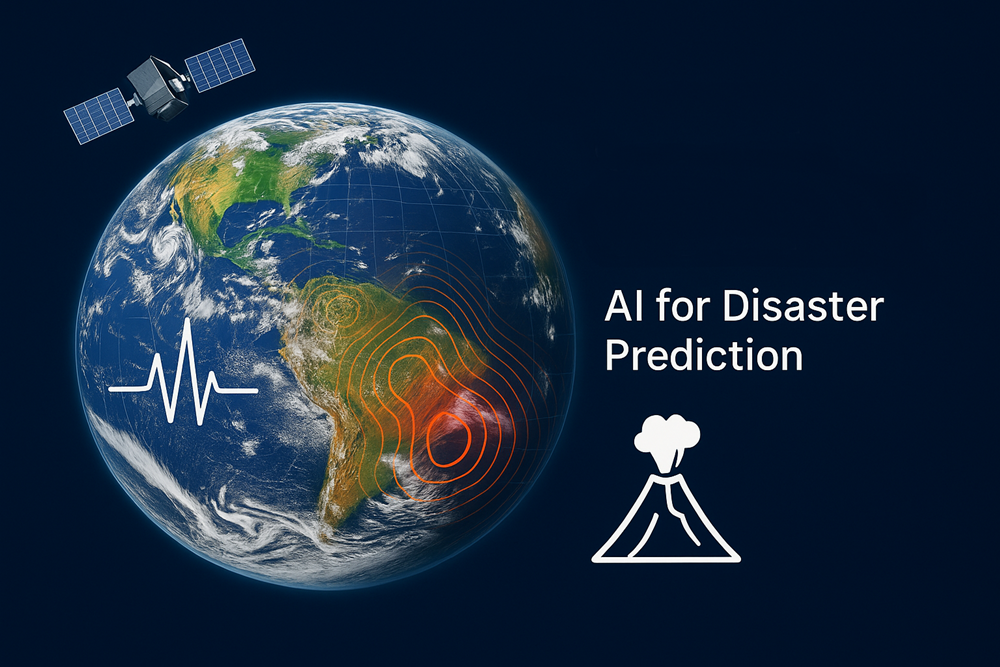
In the energy sector, AI contributes to optimising renewable systems by forecasting demand, managing grids, and integrating solar and wind power efficiently. Smart algorithms reduce reliance on fossil fuels, cut emissions, and enhance grid resilience — vital for achieving net-zero targets. Beyond mitigation, AI enhances disaster preparedness: analysing satellite and sensor data to assess earthquakes, volcanic activity, and severe weather in real time. Projects such as the UK’s COMET initiative demonstrate how AI-driven analytics support rapid disaster response and recovery.
Pollution and Air Quality Monitoring
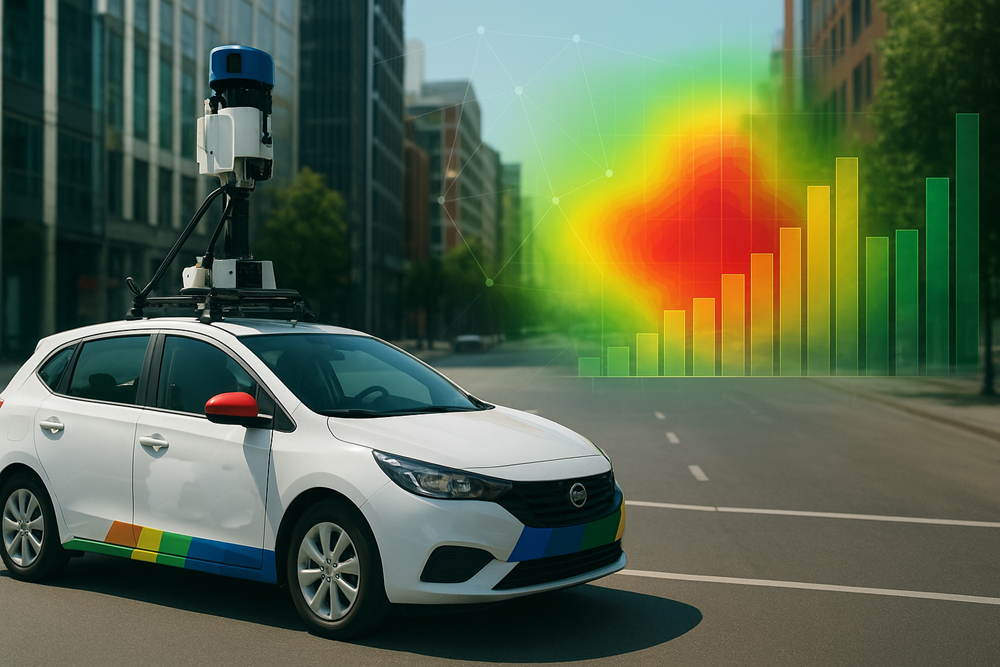
AI is transforming how cities monitor and manage air pollution, one of the leading causes of premature deaths worldwide. By analysing real-time data from sensors and meteorological networks, AI predicts pollution spikes and identifies emission hotspots. IBM’s Green Horizon Project in China exemplifies this in action: its AI models forecast air quality and recommend precise, targeted interventions to reduce emissions before critical levels are reached. Such predictive tools inform public health policy, enabling timely responses to protect vulnerable communities.
Water and Ocean Management
Freshwater and marine ecosystems also benefit from AI’s analytical power. Machine learning systems monitor water quality, detecting contaminants and predicting pollution events before they escalate. For the world’s oceans, AI technologies developed by organisations like Cleanhub track floating plastics and chemical pollutants via satellite imagery, guiding clean-up operations and sustainable waste management efforts. Integrated with hydrological models, AI improves decision-making for water distribution, flood control, and long-term ecosystem resilience.
Biodiversity and Wildlife Conservation
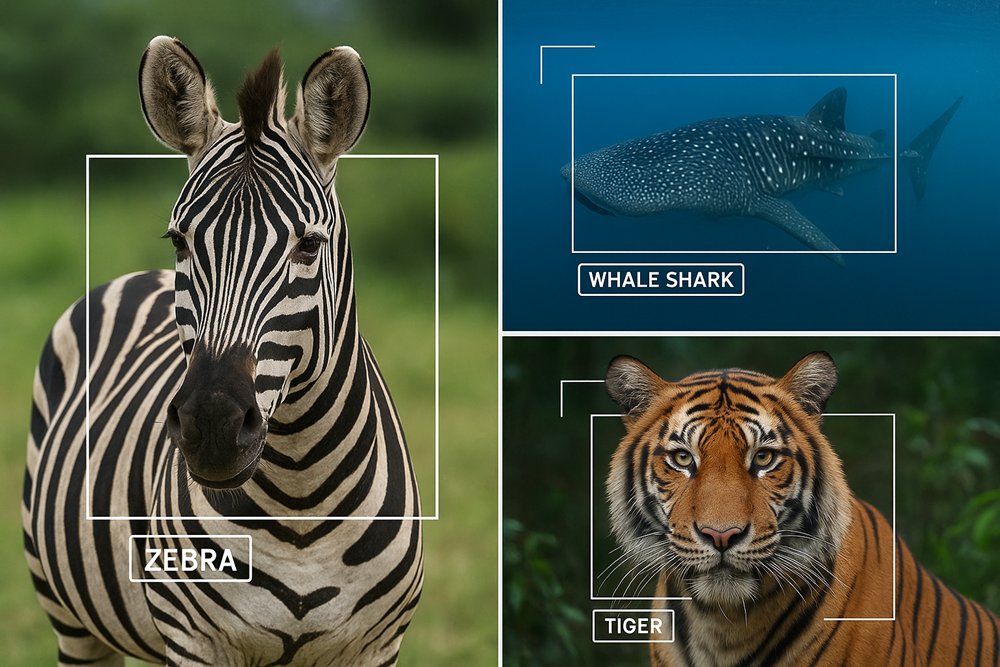
AI is revolutionising wildlife monitoring and species protection. Neural networks and computer vision analyse images from camera traps, drones, and satellites to identify species, estimate populations, and detect poaching activities. The Wild Me’s Wildbook platform uses AI pattern recognition to track individual animals — from whale sharks to cheetahs — providing conservationists with accurate, up-to-date data for safeguarding endangered species. Real-time monitoring systems further help rangers anticipate threats and respond swiftly to illegal hunting or habitat encroachment.
Deforestation and Habitat Monitoring
Forests are critical carbon sinks, yet deforestation continues at alarming rates. AI-based satellite surveillance detects illegal logging and habitat loss in near real time, empowering governments and NGOs to intervene before damage becomes irreversible. Deep learning models also evaluate forest health and reforestation progress, ensuring that conservation efforts are data-driven and measurable. Organisations across Latin America, Africa, and Southeast Asia are already using these systems to support sustainable land management and ecosystem restoration.
Across these interconnected fields, AI is not merely a tool — it is a catalyst for global sustainability. By converting complex environmental data into timely, actionable intelligence, Artificial Intelligence empowers scientists, policymakers, and communities to act decisively in safeguarding Earth’s future.
Challenges and Ethical Considerations
While the environmental potential of AI is vast, it is not without its ethical and sustainability challenges. Ensuring that AI itself operates in harmony with ecological and social priorities is essential for its long-term success.
Energy Footprint
Training large AI models can consume significant amounts of electricity, contributing to carbon emissions if powered by non-renewable sources. However, new research shows that emerging energy-efficient AI architectures — including low-power chips and optimised training techniques — can reduce energy use by up to 90%. To maintain credibility as a tool for sustainability, AI development must continue to prioritise low-carbon innovation, renewable energy integration, and transparency in reporting environmental impact.
Data and Governance
AI’s effectiveness depends on data quality and ethical governance. Environmental data must be collected and used responsibly, ensuring accuracy, security, and respect for local and indigenous knowledge. Ethical AI frameworks, as outlined by EY and other sustainability bodies, emphasise the need for accountability, inclusivity, and context awareness to prevent biased or harmful outcomes.
When implemented responsibly, AI becomes more than a technological solution — it becomes an ethical instrument for planetary well-being, blending innovation with integrity to guide the world towards a more sustainable future.
Towards a Smarter, Greener Future
AI is ushering in a new era of environmental intelligence — one where data, science, and technology converge to protect the planet. Its role is not to replace environmental science but to amplify human expertise, accelerating the pace and precision of discovery. From predicting climate risks to mapping pollution and safeguarding biodiversity, AI equips scientists, policymakers, and communities with the tools to make more informed and effective decisions.

Looking ahead, the potential of AI to support global sustainability is vast. As machine learning becomes more efficient and accessible, it will deepen our ability to anticipate environmental threats, design adaptive policies, and track progress towards international goals like the UN’s Sustainable Development Agenda. Yet, this future also demands ethical responsibility — ensuring AI is developed and deployed transparently, equitably, and always in harmony with the planet it seeks to protect.
Because AI Needs Credit Too: The images in this article were created with a little help from artificial intelligence — no endangered species, satellites, or cars were harmed in the making. While they aim to illustrate the wonders of AI-driven environmental innovation, they remain digital interpretations, not real-world snapshots
Leave a Reply